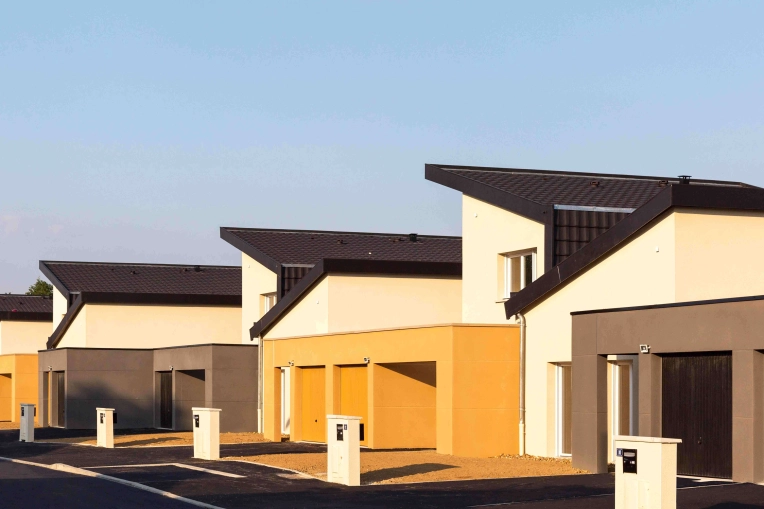
Why Hire an Architect for a Multi-Family Residential Project?
The multi-family residential sector (apartment buildings, condominiums, student housing, or senior residences) is undergoing a profound transformation. Faced with new environmental regulations, land scarcity, and the growing expectations of future occupants, the construction or rehabilitation of multi-unit housing cannot be improvised.
For real estate developers, social housing landlords, or homeowners' associations (HOAs), partnering with an architect specialized in multi-family housing is far more than a legal obligation: it is the guarantee of a profitable, sustainable, and attractive project. Discover the key benefits of this strategic collaboration.
1. Absolute Mastery of Regulations (RE2020, PMR, Safety)
Multi-family housing is one of the most heavily regulated segments of real estate. A non-compliant project can lead to major delays, financial cost overruns, or even legal disputes.
A state-certified architect brings indispensable technical and legal expertise to navigate these strict standards:
Environmental Performance (RE2020): The architect designs the building from the outset to optimize thermal insulation, carbon footprint of materials, and energy management, ensuring a low-carbon, cost-effective building for future residents.
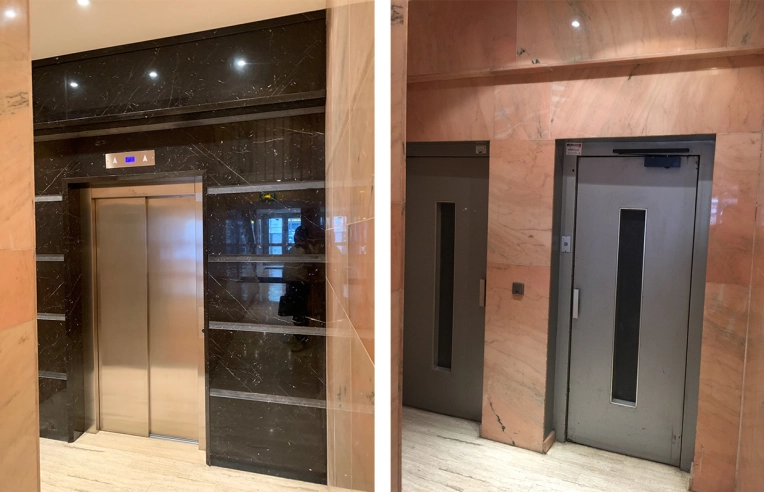
Disability Accessibility (PMR): Seamless integration of standards for People with Reduced Mobility in common areas (elevators, hallways) as well as within the apartments themselves.
Fire Safety and Acoustics: Selecting structures and materials that meet soundproofing requirements between neighbors and the safety standards of a Building Open to the Public (ERP) or a collective housing building.
2. Land Optimization and Profitability Maximization
Every square meter of land counts. The architect has the necessary know-how to analyze a Local Urban Plan (PLU) and extract its maximum potential.
Through intelligent design, they succeed in:
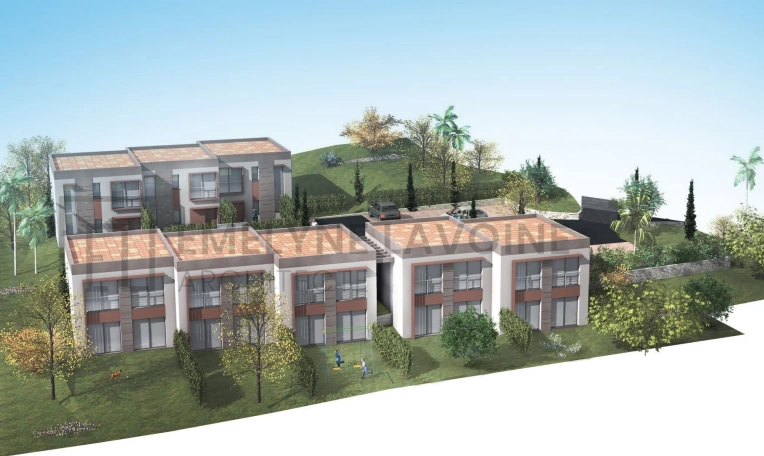
Maximizing sellable or rentable floor area while respecting property lines, maximum heights, and mandated green spaces.
Smartly arranging housing typologies (from studios to four-bedroom units) to precisely match local market demand.
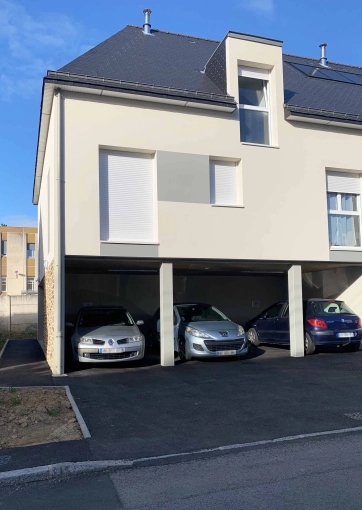
Rethinking "wasted" spaces: Optimizing parking lots (underground or surface), bike rooms, and circulation areas so they are compact yet functional.
3. Combining Urban Aesthetics and Residents' Quality of Life
A successful multi-family residential project must appeal to two audiences: the municipality (which issues the building permit) and future inhabitants.
The architect plays the role of a visual and social mediator:
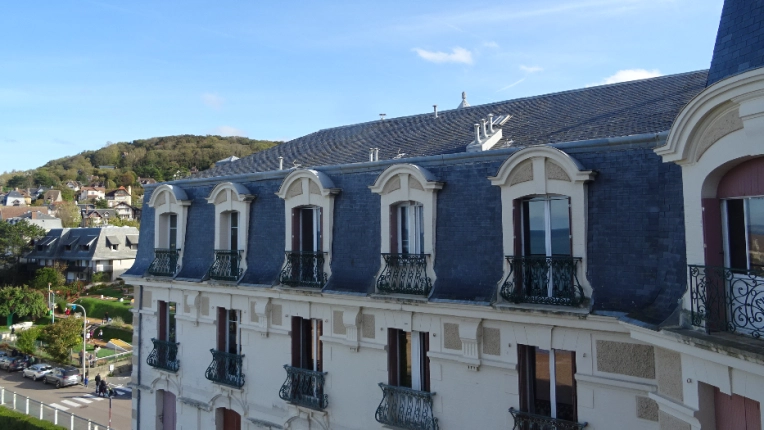
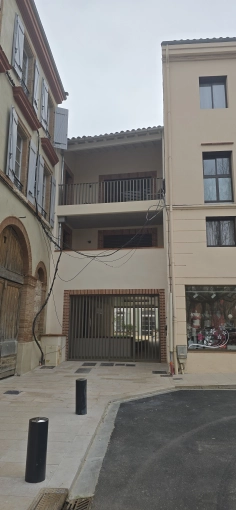
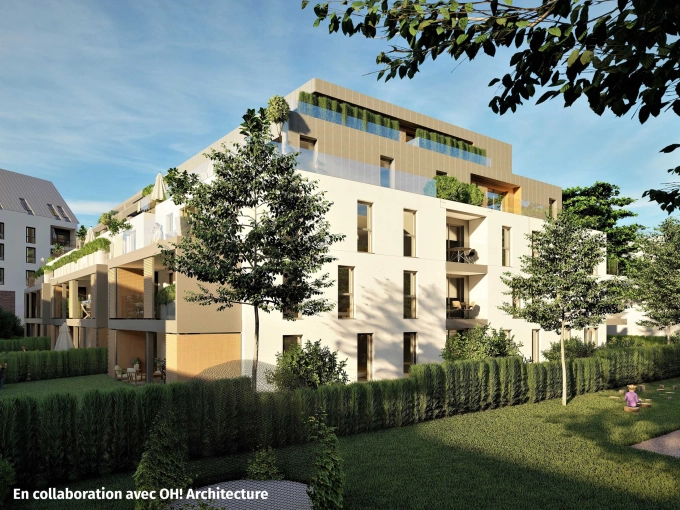
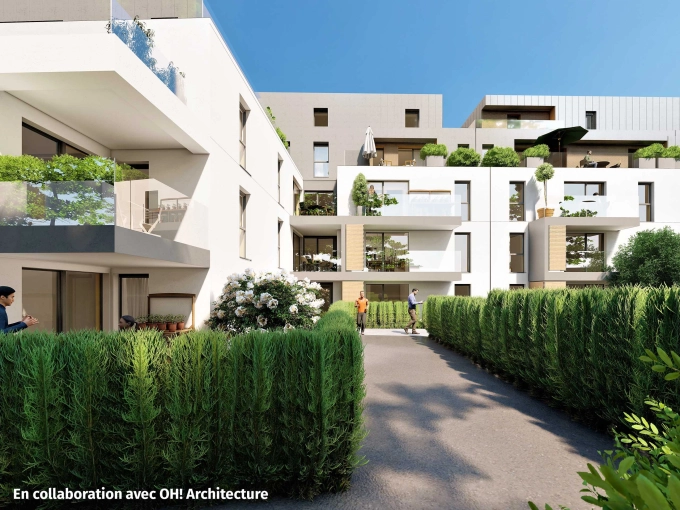
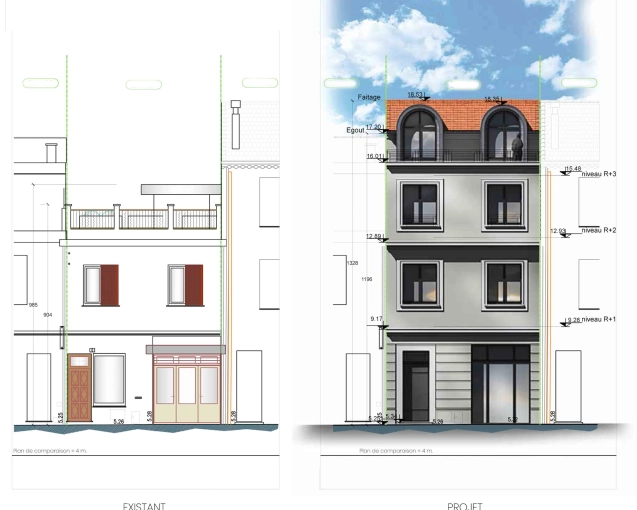
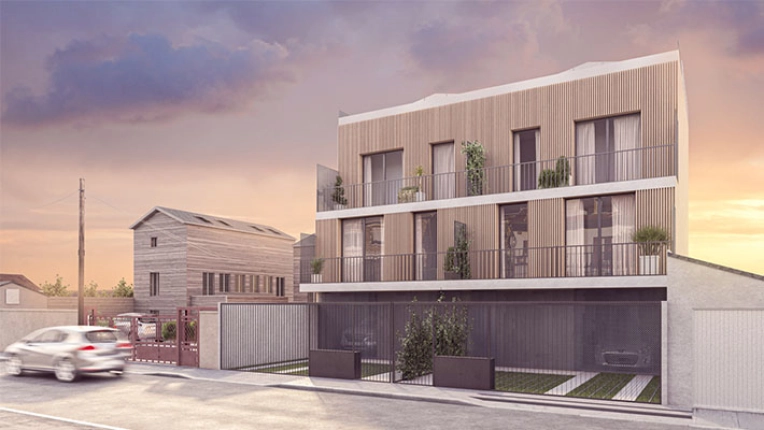
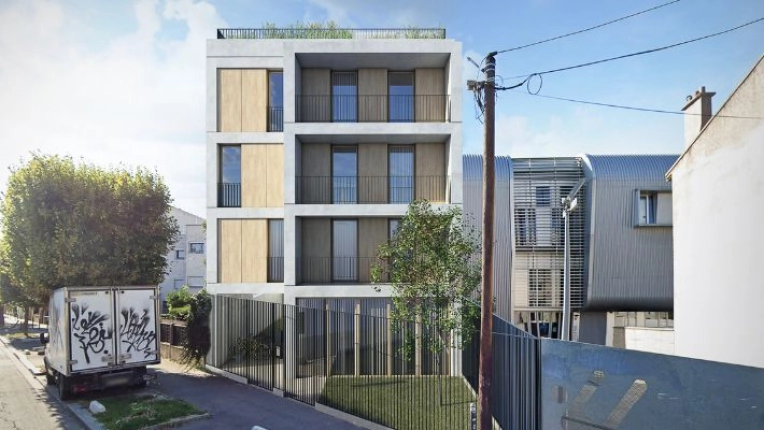
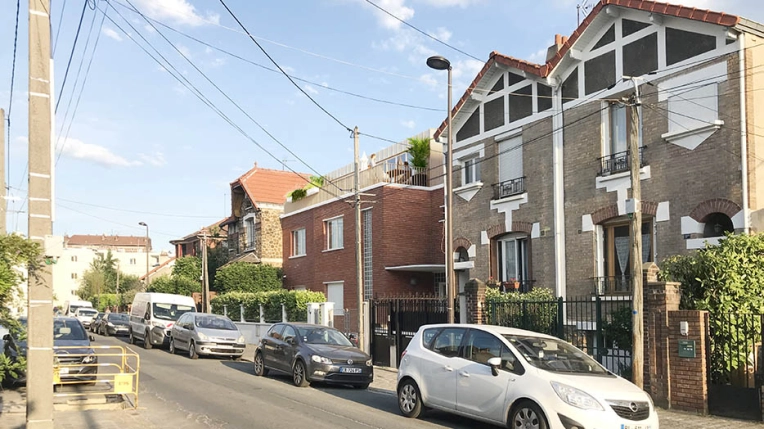
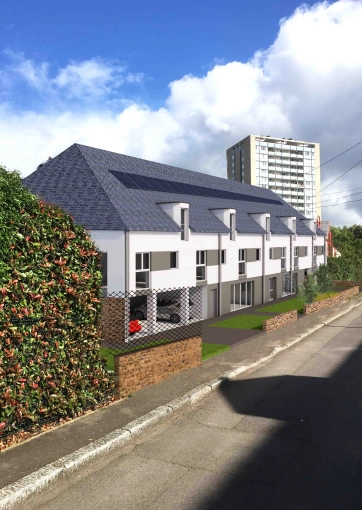
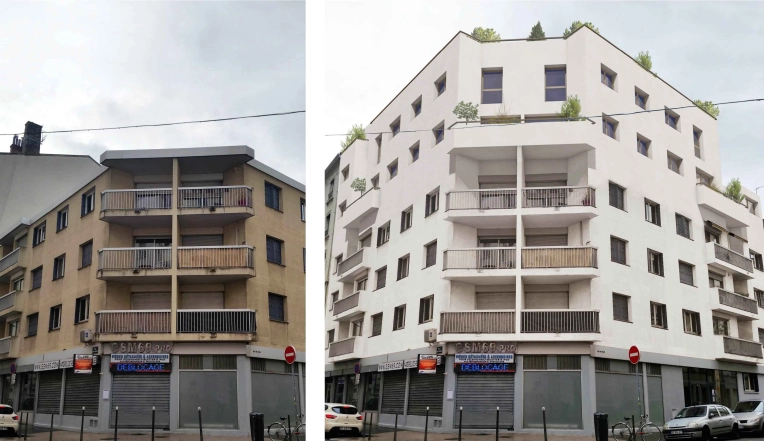
Landscape Integration: They create a contemporary or traditional facade that blends harmoniously into the existing urban fabric, facilitating project acceptance by the neighborhood and urban planning departments.
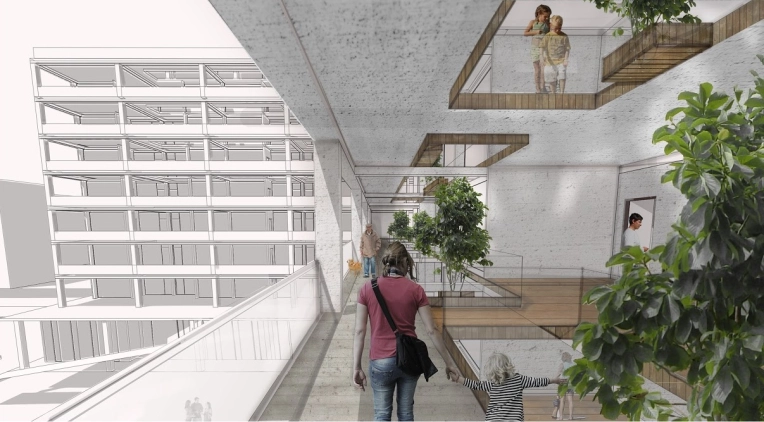
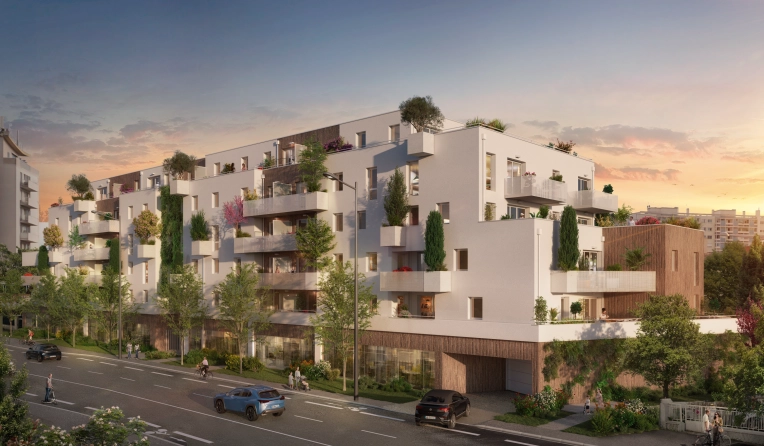
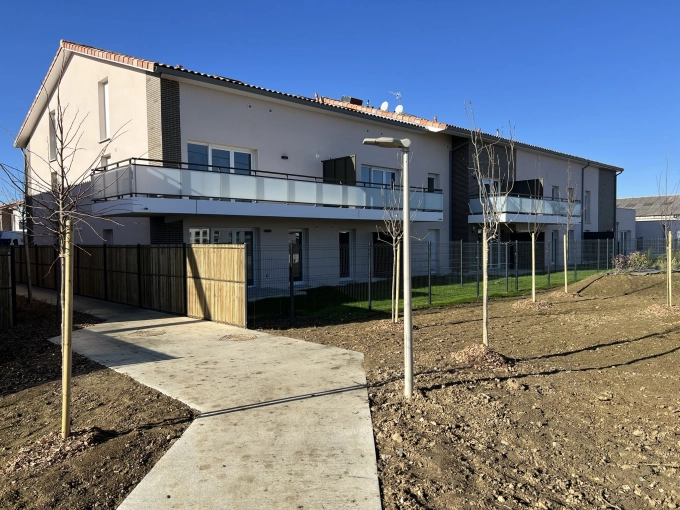
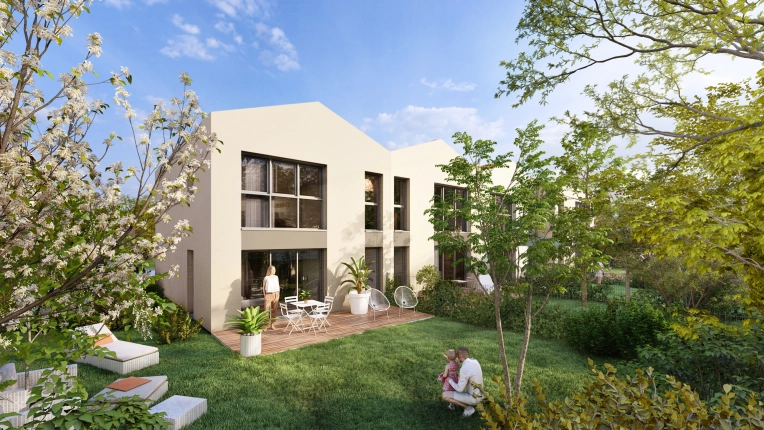
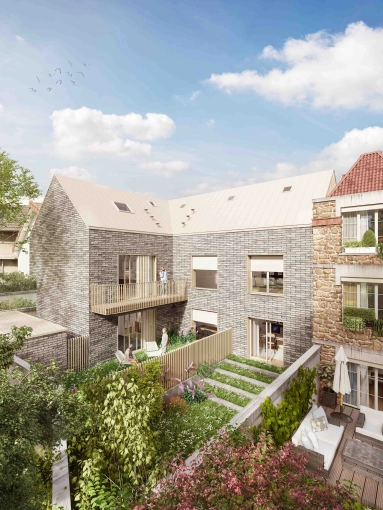
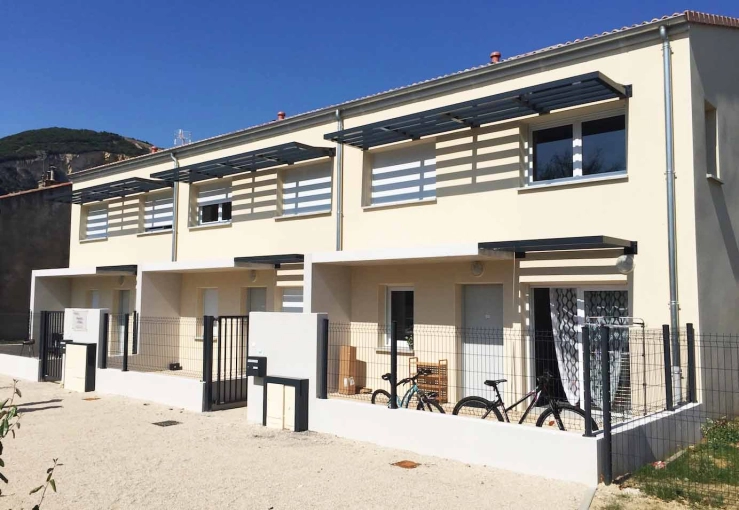
Occupant Well-being: They work on dual-aspect apartments to maximize natural light, integrate private outdoor spaces (balconies, terraces, loggias), and design shared spaces (welcoming lobbies, rooftop gardens) that foster social bonds.
4. Turnkey Project Management and Cost Control
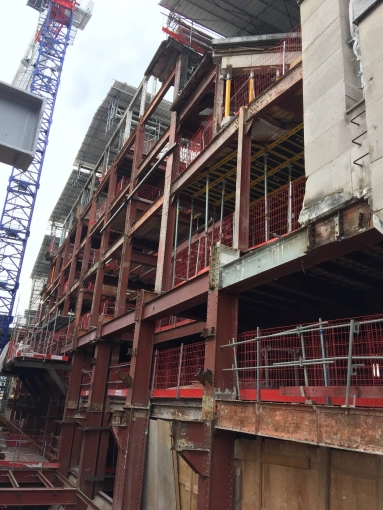
From the initial sketch to the handover of the keys, the construction of a residential building involves dozens of trades (thermal engineering firms, acousticians, structural work, finishing work).
By entrusting the project management (maître d’œuvre) to an architect, you secure your investment:
Rigorous Technical Design: Detailed blueprints make it possible to obtain precise company quotes and avoid unpleasant surprises during construction.
Meticulous Site Supervision: The architect coordinates contractors, inspects the quality of work execution, and ensures compliance with the schedule.
Budget Compliance: Their role is to find clever technical solutions to keep costs down without ever sacrificing the quality or safety of the building.
5. Asset Valuation and Building Durability
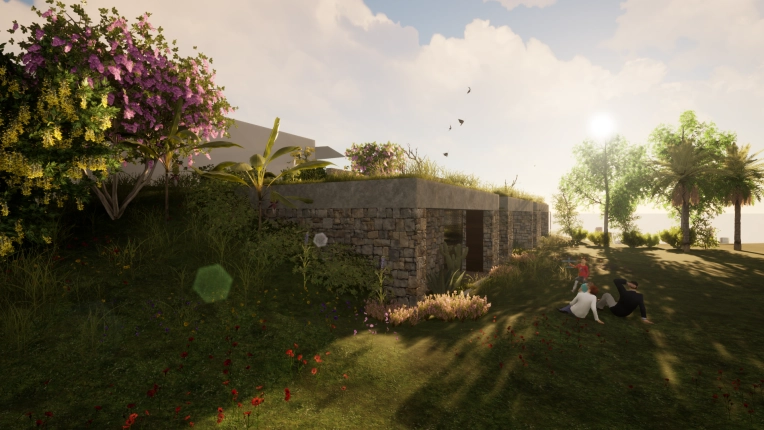
Hiring an architect means designing a building that stands the test of time without losing its value. An architecturally well-thought-out building ages better and requires less long-term maintenance, a strong selling point for resale or rental management. Furthermore, the emphasis on bio-based architecture and current technical innovations ensures that the co-ownership will not suffer from premature real estate obsolescence.
For any multi-family residential project, the architect is the essential conductor. They transform regulatory and budgetary constraints into spatial opportunities, guaranteeing developers a highly valued real estate product and residents an exceptional living environment.