
Why Hire an Architect Specialized in Hospitality and Catering?
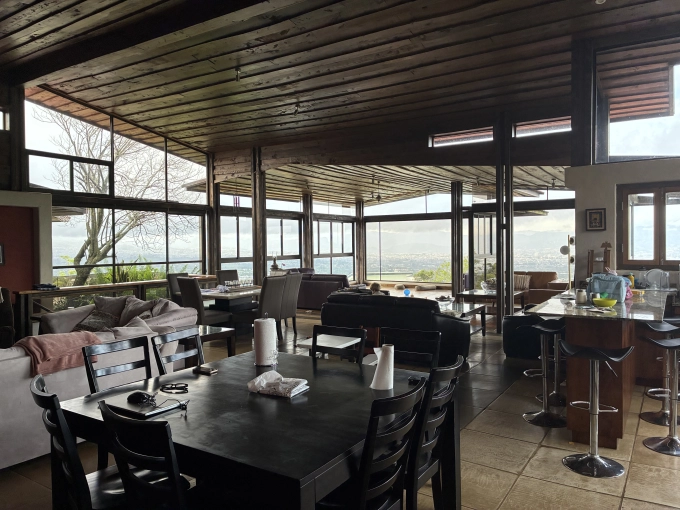
The hospitality sector (cafés, hotels, restaurants) is an ultra-competitive world where first impressions are often decisive. Beyond great food or impeccable service, the customer experience relies heavily on the atmosphere, comfort, and design of the premises.
Whether you plan to open a trendy boutique hotel, renovate a gourmet restaurant, or rethink the layout of a neighborhood bar, the success of your project depends on a key player: the specialized hospitality and restaurant architect. Discover why their expertise is essential to transforming your establishment into a unique and profitable venue.
1. Create a Strong Visual Identity to Stand Out
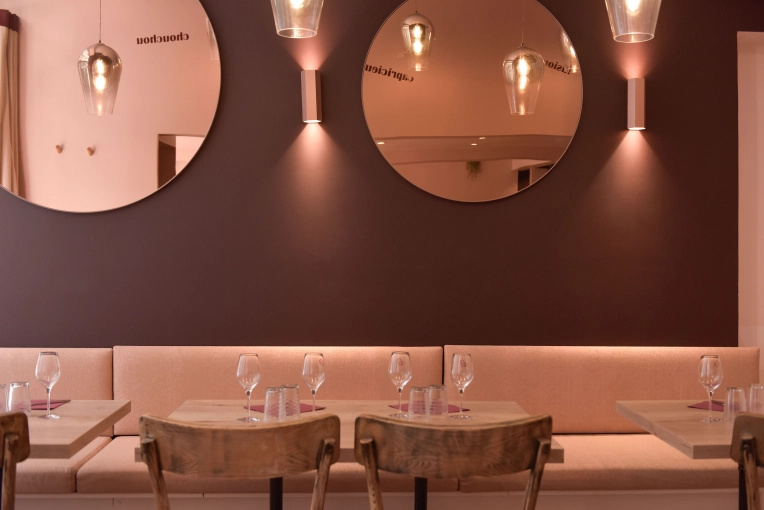
In the Horeca sector (Hotels, Restaurants, Cafés), space design is a powerful marketing lever. Your customers do not just come to consume; they are looking for an immersive experience.
An interior designer or commercial architect does not just pick trendy colors. They translate your brand DNA into the physical space through:
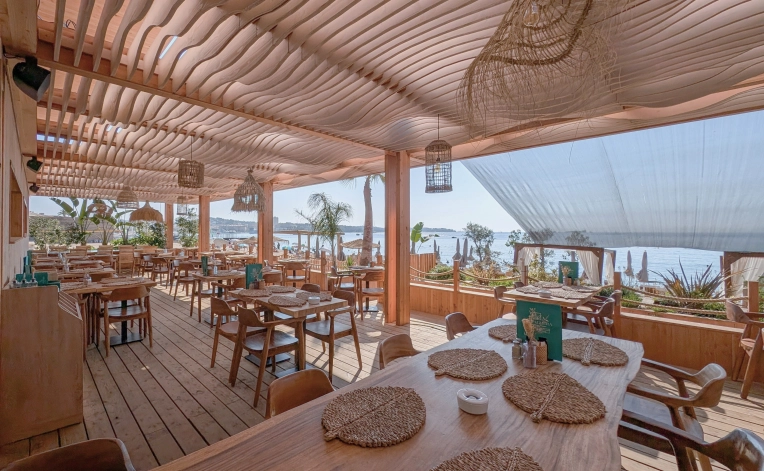
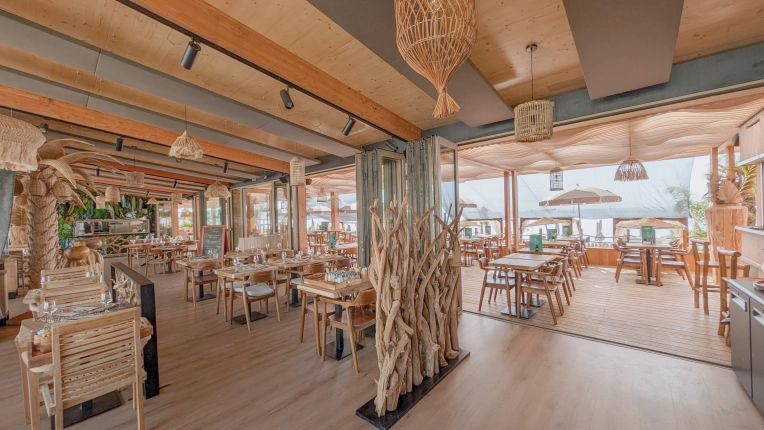
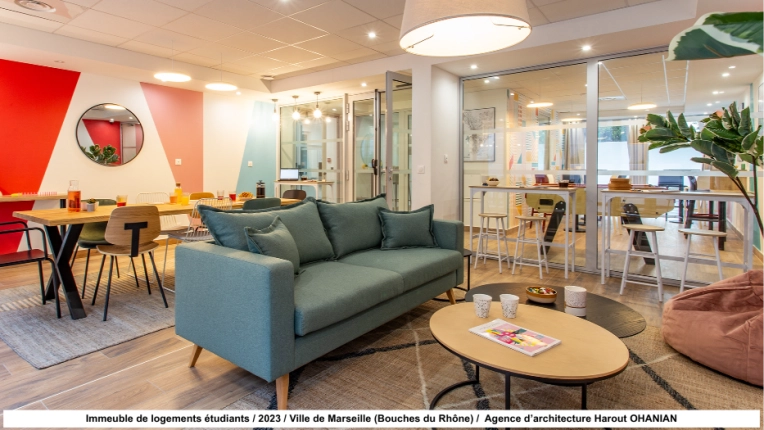
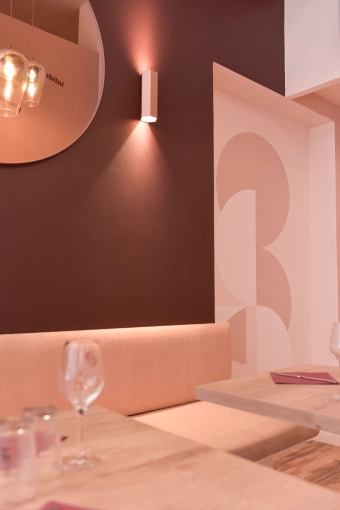
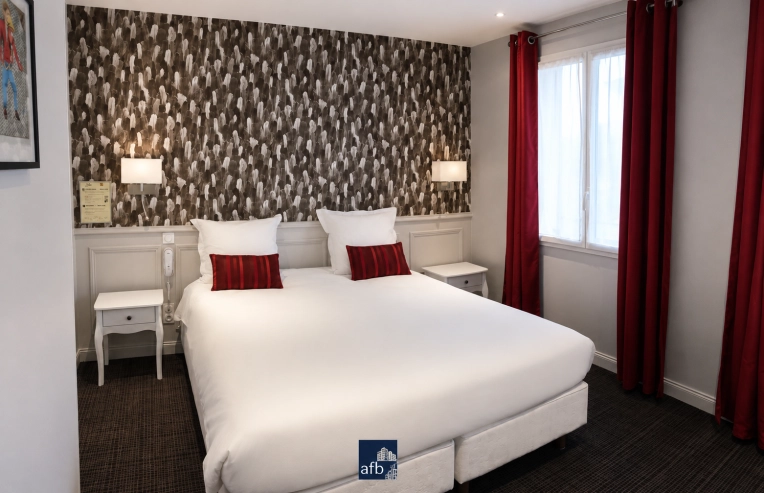
A rigorous selection of materials to establish a specific ambiance (warm, industrial, cozy).
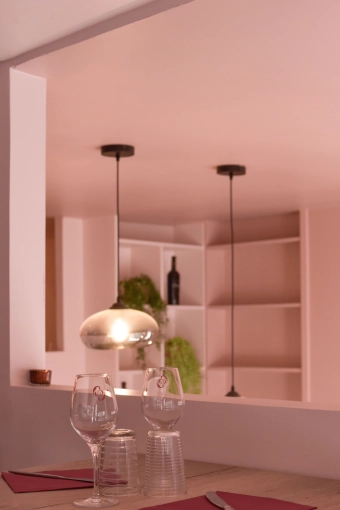
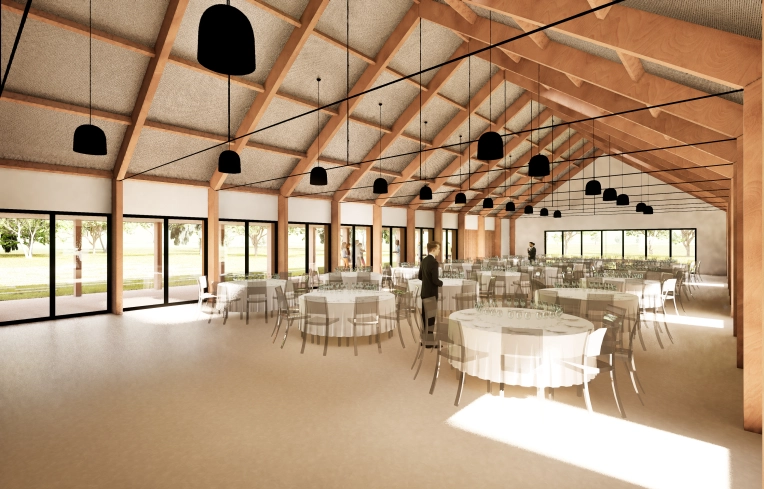
Bespoke lighting design, a crucial element to highlight dishes and create an intimate evening atmosphere.
The choice of furniture and signage for absolute visual consistency.
The result? A memorable, highly "Instagrammable" establishment that attracts customers and builds brand loyalty.
2. Optimize Layout to Maximize Profitability
A beautiful restaurant or a design-focused hotel is useless if it is not functional. Every square meter must be optimized to generate revenue while ensuring fluid services.
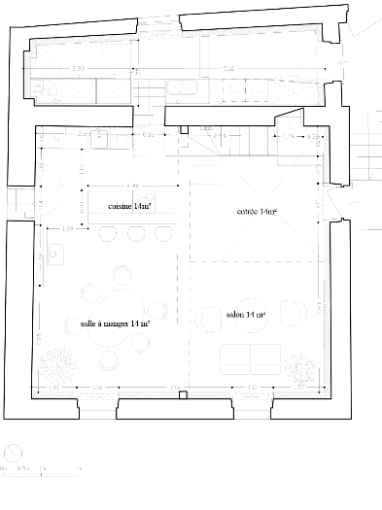
The specialized architect possesses a dual vision: that of the customer and that of the staff. They meticulously study traffic flows to:
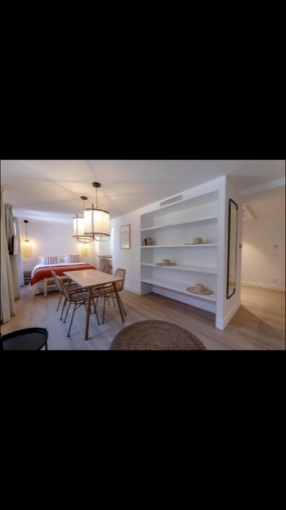
Optimize the number of seats in the dining room without making guests feel cramped.
Facilitate team workflows by reducing distances between the kitchen, the counter, and the dining area (saving time and increasing efficiency).
Set up strategic zones: a fluid hotel reception area, hidden yet accessible storage spaces, or ergonomic restrooms.
3. Master Strict Regulatory Standards (Public Access and Accessibility)
Hotels and restaurants are classified as Buildings Open to the Public (ERP in France). As such, they are subject to drastic, ever-evolving regulations. A single instance of non-compliance can lead to a refusal to open or an administrative closure of your premises.
Hiring a state-certified architect protects you from these major risks. This expert thoroughly masters:
Fire safety standards (fire-retardant materials, emergency exits, smoke extraction systems in kitchens).
Disability accessibility rules (PMR standards) for access to dining rooms, hotel rooms, and restrooms.
Hygiene standards (HACCP) for the layout of professional kitchens and dishwashing areas.
4. Guarantee Acoustic and Thermal Comfort for Guests
Nothing ruins a good dining experience faster than deafening background noise or a poorly heated room. Invisible comfort is just as important as aesthetics.
The architect integrates these technical dimensions right from the blueprint design phase:
Acoustic correction: Utilizing sound-absorbing panels, suspended ceilings, or tailored textiles to muffle the sound of voices and clattering dishes.
Thermal and ventilation management: Discreet and efficient integration of air conditioning, heating, and ventilation systems (essential in both the kitchen and dining room).
5. Turnkey Project Management and Budget Control
The renovation or construction of a hotel-restaurant involves numerous trades (plumbers, electricians, kitchen designers, painters). Managing such a construction site alongside your daily operations can quickly become a nightmare.
As the project manager, the architect handles the overall management of your project:
Drafting specifications and filing for building permits or prior work declarations.
Tendering companies and negotiating quotes.
Rigorous site supervision and contractor coordination to guarantee compliance with delivery deadlines and the initial budget.
Every day of delay on a hospitality construction site represents a direct loss of turnover. The architect serves as your safeguard to open on the scheduled date.
Hiring an architect for your hotel or restaurant is not an expense; it is a strategic investment. By entrusting your project to a commercial space design professional, you guarantee a compliant, high-performing, beautiful venue tailored for commercial success.