Warehouse / Industrial Building Architect
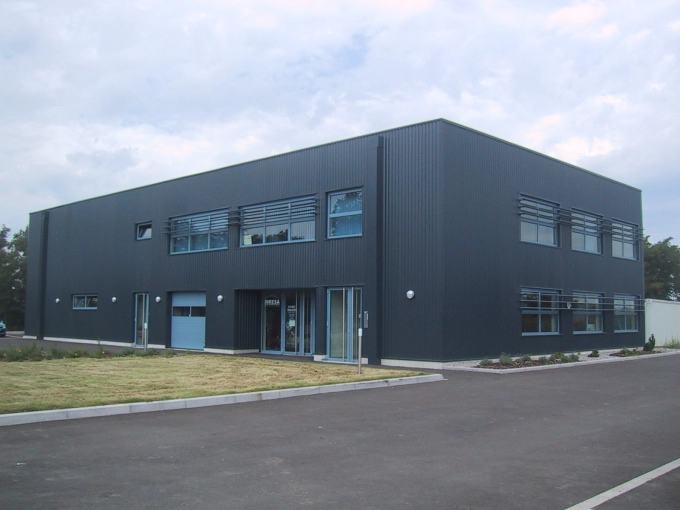
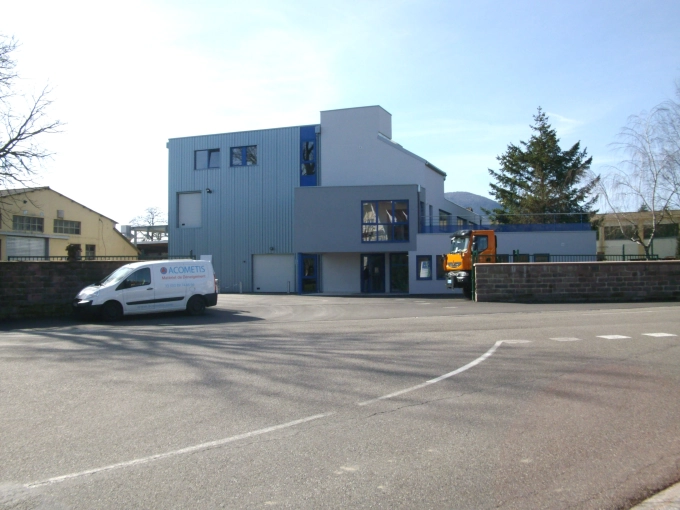
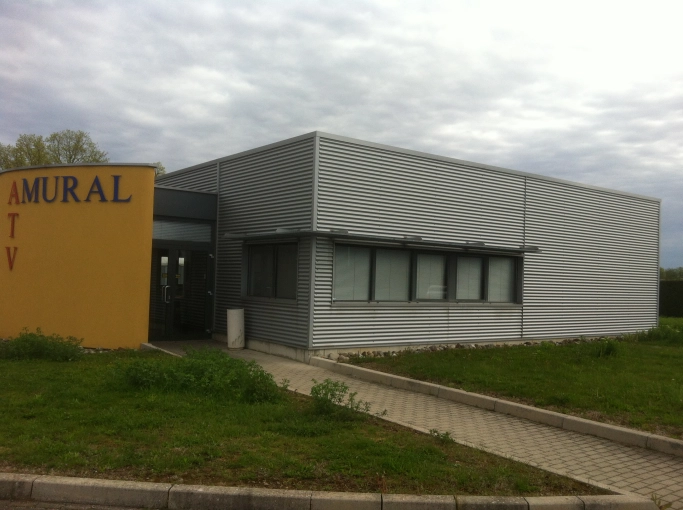
The architecture of industrial buildings is vastly different from that of residential properties. It complies with entirely different standards and meets completely different needs. Depending on its location, size, and purpose, an industrial building must be highly resilient and tailored to its future operations. Working alongside a specialized architect is therefore essential for such a project. This industrial building expert is the professional you need to ensure a high-performing, functional, and long-lasting structure.
Why Hire a Specialized Industrial Building Architect?
Industrial buildings are unique structures that must adapt to strict requirements. From heavy loads to machinery operating at high temperatures, an industrial architect designs structures and selects materials based on the specific needs of their clients. They prove particularly effective for:
Seamless coordination of contractors and trades The construction site of an industrial building requires various trades to work together to ensure the project runs smoothly. The industrial architect acts as a coordinator, supervising teams in a fluid and orderly manner. This minimizes delays, keeps a close eye on the project to reduce errors, and ultimately saves clients a significant amount of money.
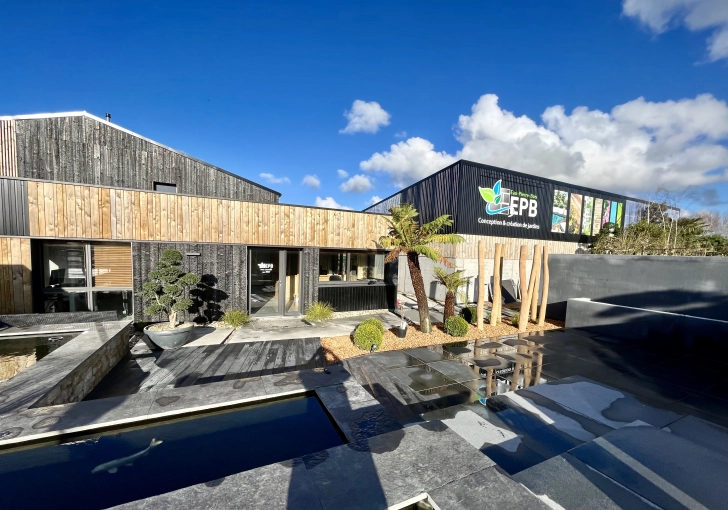
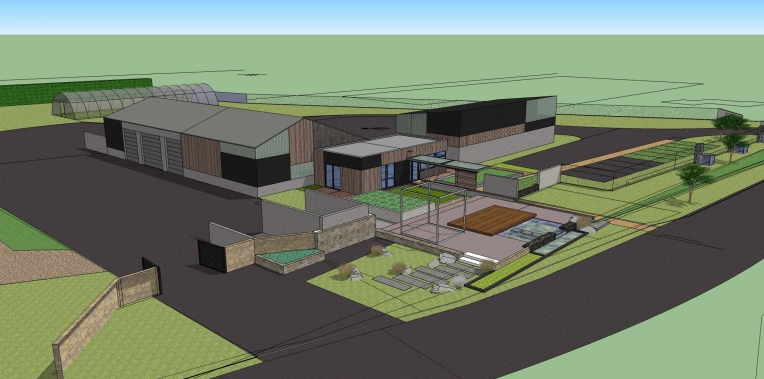
A more aesthetically designed industrial building Industrial buildings are often associated with cold structures solely meant to be functional. However, studies show that a well-designed work environment improves team productivity. A specialized industrial architect creates workspaces that meet the company's operational needs while integrating them into a warmer, more welcoming structure.
Greater building durability Industrial environments, temperature fluctuations, and the weight and vibrations of heavy machinery require a higher level of standards from the specialized architect compared to other building types. Durability constraints are a key factor the architect must focus on to create a rock-solid structure, which also reduces long-term maintenance costs for the industrial building.